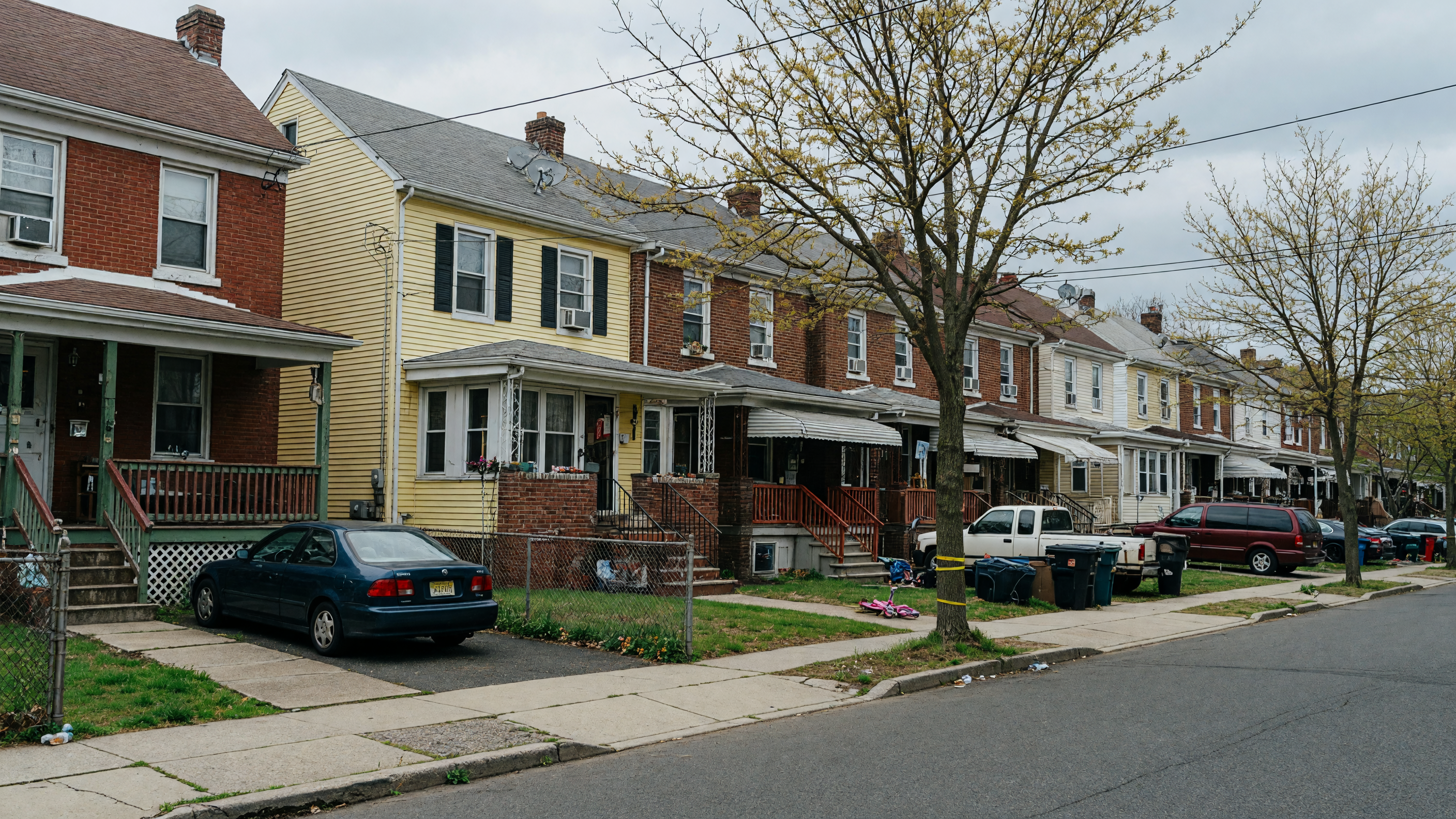
If you are a family in Passaic, New Jersey, dealing with an inherited property that has gone through probate, you are facing a process that is both legally specific and shaped by the city's unique housing market. Passaic is a dense, urban city of roughly 70,000 residents in Passaic County. Its housing stock is made up primarily of older row homes, duplexes, and multi-family buildings, many of them constructed before 1940. More than half of the homes in Passaic were built before 1939, and only about 15 percent are detached single-family houses. This means inherited properties in Passaic frequently come with age-related maintenance issues, code compliance concerns, and a buyer pool that includes both owner-occupants and experienced investors. This guide covers how probate works for Passaic families, how the Passaic County Surrogate's Court process applies, how the city's housing stock impacts probate sales, common challenges families face, the timeline to expect, and why working with a probate-certified agent like Johnny Rodriguez is essential.
What probate means for Passaic families.
Probate is the court-supervised legal process through which a deceased person's estate is administered and their assets are distributed to heirs or beneficiaries. In New Jersey, when someone dies owning real estate, that property generally cannot be sold, transferred, or refinanced until probate has begun and the executor has been formally appointed by the Surrogate's Court. The court validates the will, or if there is no will, determines who has legal priority to administer the estate under New Jersey's intestacy laws, and issues Letters Testamentary or Letters of Administration. These documents give the executor the legal authority to act on behalf of the estate, including listing and selling real property.
For Passaic families, this process is handled through the Passaic County Surrogate's Court, located at 632 Hamilton Avenue, Paterson, New Jersey. Passaic is the county seat of Passaic County, and the Surrogate's Court serves all municipalities within the county. Because the court is nearby, families do not need to travel to another county to file paperwork or attend proceedings.
New Jersey does offer a simplified affidavit process for smaller estates valued at $50,000 or less, or $25,000 or less when the surviving spouse is the sole heir. However, most residential properties in Passaic, even modest row homes and duplexes, exceed these thresholds, meaning the standard probate process will apply in the majority of cases.
The Passaic County Surrogate's Court process.
The Passaic County Surrogate's Court handles all probate filings for residents who lived in Passaic County at the time of death, including the city of Passaic. Here is how the process typically works:
Filing the will
The executor brings the original Last Will and Testament, a certified copy of the death certificate with a raised seal, and the names and addresses of the next-of-kin to the Surrogate's Court. If the will is "self-proving," meaning it was notarized with witness signatures, no additional witness is needed. Otherwise, a witness who signed the will must appear with the executor. The Surrogate cannot issue certificates until at least 11 days after the date of death. Standard filing fees start at approximately $100 for a two-page will.
Executor appointment
Once the court reviews the filing and confirms the will is valid, it formally appoints the executor and issues Letters Testamentary. These letters serve as proof of legal authority to manage the estate, including selling real property. If there is no will, an administrator is appointed under New Jersey intestacy laws, with a minimum filing fee of $125. Executor appointment typically takes two to eight weeks from the date of filing, depending on the court's workload and the completeness of the submitted paperwork.
Notice to creditors
New Jersey law requires that creditors be given a minimum of nine months to file claims against the estate from the date of death. This is one of the longest mandatory creditor periods in the country and is a primary reason probate takes time. During this period, the executor manages the estate's assets, pays valid debts, and handles ongoing obligations such as property taxes, insurance premiums, and mortgage payments on the inherited property. In Passaic, where many inherited properties have been used as rental units for years, there may also be existing tenant obligations that must be addressed during this period.
Inheritance tax waiver
Before any real estate closing can be completed in New Jersey, the executor must obtain a tax waiver from the New Jersey Division of Taxation. This waiver confirms that inheritance tax obligations have been addressed. The property can be listed and marketed while the waiver is being processed, but the closing itself cannot happen until the waiver is in hand. Processing times for the waiver typically range from four to twelve weeks.
Court-supervised sales
In certain situations, such as contested estates, estates with minor heirs, or estates placed under formal court supervision, the court may need to approve the sale before it can proceed. This means the sale price must be reviewed and confirmed by a judge, which adds additional time and documentation requirements. Most straightforward probate sales in Passaic do not require court approval, but the estate attorney should confirm whether the specific estate falls under court supervision.
Passaic's unique housing stock and how it impacts probate sales.
Passaic's real estate market is unlike most other cities in Passaic County. The city's housing stock is defined by density and age, which creates specific conditions for probate sales.
Row homes
Row homes are one of the most common property types in Passaic. These attached, narrow-frontage houses are typically two to three stories tall with shared walls on one or both sides. They are concentrated throughout the city's older neighborhoods and were originally built to house the workers of Passaic's industrial era. For probate purposes, row homes present specific considerations. Shared walls mean that structural issues, water damage, or roof problems may involve the neighboring property. Maintenance responsibilities for shared walls, gutters, and party walls can be unclear, especially when the estate has not been managed proactively. Row homes in Passaic also tend to have smaller lots and limited parking, which affects both livability and pricing. However, row homes are affordable relative to detached single-family homes, which makes them attractive to first-time buyers and investors seeking rental properties.
Duplexes and multi-family buildings
Passaic has a significant number of duplexes and small multi-family buildings, many of them two-family or three-family structures that have been used as rental properties for decades. These properties are a defining feature of the Passaic market and are actively sought by investors who want immediate rental income. For probate estates that include duplexes or multi-family buildings, the buyer pool is notably wider than it would be for single-family homes. Both owner-occupants who want to offset their mortgage with rental income and seasoned investors seeking cash flow will show interest, even in properties that need work. However, multi-family probate properties often come with complications, including existing tenants with lease obligations, deferred maintenance on multiple units, and potential code compliance issues with the City of Passaic.
Age and condition
The age of Passaic's housing stock is a critical factor in probate sales. With more than 56 percent of homes built before 1939, inherited properties frequently require attention to outdated electrical systems, aging plumbing, old roofs, and environmental concerns such as lead paint in pre-1978 construction. These issues do not prevent a sale, but they do affect pricing, the buyer pool, and the best strategy for marketing the property. For estate executors managing a property that has not been maintained in years, understanding these age-related factors is essential to setting realistic expectations and making informed decisions.
Common issues families face in Passaic probate sales.
Probate sales in Passaic come with a specific set of challenges that families should be aware of before listing the property.
Code violations
Passaic enforces building and housing codes, and inherited properties, especially older row homes and multi-family buildings that have not been maintained, frequently have open code violations. Common violations include broken or missing smoke and carbon monoxide detectors, inoperable heating systems, deteriorated exterior surfaces, improper electrical wiring, and blocked egress. Open violations can delay a sale or reduce the property's market value. In some cases, the City of Passaic may require the property to be brought into compliance before a certificate of occupancy can be issued for a new owner. A probate-certified agent can help families assess the severity of violations, estimate the cost of resolution, and determine whether to address them before listing or price the property to account for them.
Unpaid taxes and liens
Unpaid property taxes are one of the most common issues with inherited properties in Passaic. When a homeowner passes away without keeping up with tax payments, the estate inherits that debt. In some cases, properties may have tax liens, water and sewer liens from the City of Passaic, or contractor liens from unfinished work. These liens must be resolved before or at closing. A title search will identify outstanding liens, and the executor must address them as part of the estate administration. In many cases, liens can be satisfied from estate funds at closing, but in some cases, negotiation with lien holders or the tax collector is required. Families should be aware that unaddressed liens can grow over time as interest and penalties accrue.
Tenant-occupied inherited properties
Passaic's significant rental housing market means that many inherited properties are tenant-occupied at the time of the owner's death. New Jersey has strong tenant protection laws, and executors must understand their obligations. Existing leases generally survive the change in ownership, meaning tenants have the right to remain in the property until their lease term expires. Even month-to-month tenants are entitled to proper notice before termination. In some cases, the estate may need to continue collecting rent, maintaining the property, and managing tenant relations during the probate process. Selling a tenant-occupied property is possible, but it requires coordination with the tenants, proper legal notice, and realistic pricing that accounts for the property's occupied status.
Multiple heirs and family dynamics
When an inherited property has multiple beneficiaries, all heirs must agree on the terms of the sale. Disagreements about pricing, timing, whether to sell at all, or how to divide the proceeds are among the most common sources of delay and conflict in probate. In some cases, one heir may want to keep the property while others want to sell. New Jersey law allows the executor to proceed with a sale even if not all heirs agree, but this can lead to legal complications and family tension. Open, early communication and, when needed, mediation can prevent these disputes from becoming expensive legal battles.
Passaic probate sale timeline.
Families often ask how long the process will take from start to finish. While every estate is different, here is a realistic breakdown of the timeline for a probate sale in Passaic:
Typical Probate Sale Timeline in Passaic
Filing and Executor Appointment (2 to 8 weeks)
The executor files with the Passaic County Surrogate's Court and receives Letters Testamentary, granting legal authority to manage and sell estate assets.
Property preparation and listing (2 to 4 weeks)
While the creditor notice period runs, the executor can prepare the property, resolve any immediate code violations, and list it for sale. In many cases, the property goes under contract during this window.
Creditor notice period (minimum 9 months from appointment)
The statutory waiting period must run before the estate can be fully settled. Property can be marketed and under contract during this time, but closing is typically held until the period expires or the court allows an earlier closing.
Tax waiver and closing (4 to 12 weeks after waiver application)
Once the inheritance tax waiver is obtained, the sale can close. In a straightforward case, the total timeline from filing to closing is approximately 9 to 14 months. Complex estates or those with disputes can take 18 months or longer.
In Passaic specifically, the city's aging housing stock means that additional time may be needed to address code compliance issues, obtain inspections, or resolve liens before closing. Having complete, organized paperwork and a clear understanding of the property's condition from the start helps minimize delays.
Selling as-is vs. renovating in Passaic.
One of the most common decisions families face is whether to invest in repairs before listing or sell the property as-is. In Passaic, selling as-is is a well-established and often practical path for several reasons.
Passaic's investor market is active and experienced. Cash buyers and real estate investors regularly purchase row homes, duplexes, and multi-family buildings in every condition, from cosmetic fixer-uppers to properties that need major structural work. These buyers are familiar with local building codes, typical renovation costs in Passaic County, and the rental market that makes multi-family purchases attractive. For many families, the certainty and speed of an as-is sale, often closing in 30 days or less, outweigh the potential gain from renovation.
Selling as-is is generally the better option when the property has open code violations, needs major systems work such as a new roof, plumbing, or electrical upgrades, when the estate does not have liquid cash for renovations, when multiple heirs need a quick resolution, or when the executor wants to minimize stress during an already difficult time.
Renovation can make financial sense when the property needs only cosmetic updates like paint and flooring, when the estate has liquid assets to fund the work, and when the family has the time and bandwidth to manage a project. However, renovations almost always take longer and cost more than initially planned, and the emotional toll should not be underestimated.
Why a probate-certified agent matters in Passaic.
Not every real estate agent understands the probate process or the Passaic market. A standard listing agent may not know how to coordinate with the Passaic County Surrogate's Court, handle inheritance tax waivers, navigate tenant rights on inherited rental properties, or price aging row homes and duplexes accurately. These knowledge gaps can cost families time and money.
Johnny Rodriguez is North Jersey's First AI-Certified Realtor with Realty One Group Legend in Clifton, NJ. He has been helping buyers, sellers, investors, and families throughout Passaic, Bergen, Essex, and Hudson Counties for over 15 years. As a Probate Certified Specialist with ABR (Accredited Buyer's Representative) and SFR (Short Sales and Foreclosure Resource) designations, Johnny brings deep knowledge of the probate process, the Passaic market, and the specific challenges families face when selling inherited property.
Here is what a probate-certified agent brings to a Passaic sale:
Take the next step.
If you are a Passaic family dealing with an inherited property in probate, you do not have to figure it out alone. A free, no-pressure consultation with a probate-certified specialist can give you clarity on your options, a realistic timeline, and a plan that respects your family's needs.
Johnny Rodriguez is available to answer your questions and guide you through every step of the process. You can reach him directly by calling (973) 390-7319, emailing jrodriguez@roglegend.com, or booking a free consultation at calendly.com/realestatenj/consulting-w-johnny.
Ready to talk about your probate property in Passaic?
Get a free, no-obligation consultation with Johnny Rodriguez, a certified probate specialist serving Passaic, Passaic County, Bergen, Essex, and Hudson Counties. He will walk you through your options and help you make the best decision for your family.
Related Reading
Selling a House in Probate in Paterson, NJ
What Paterson NJ families need to know about probate sales, including neighborhood details, timelines, and the Surrogate's Court process.
Selling an Inherited House in Passaic County
A practical guide for families across Passaic County covering common challenges, selling as-is, and the probate sale process.