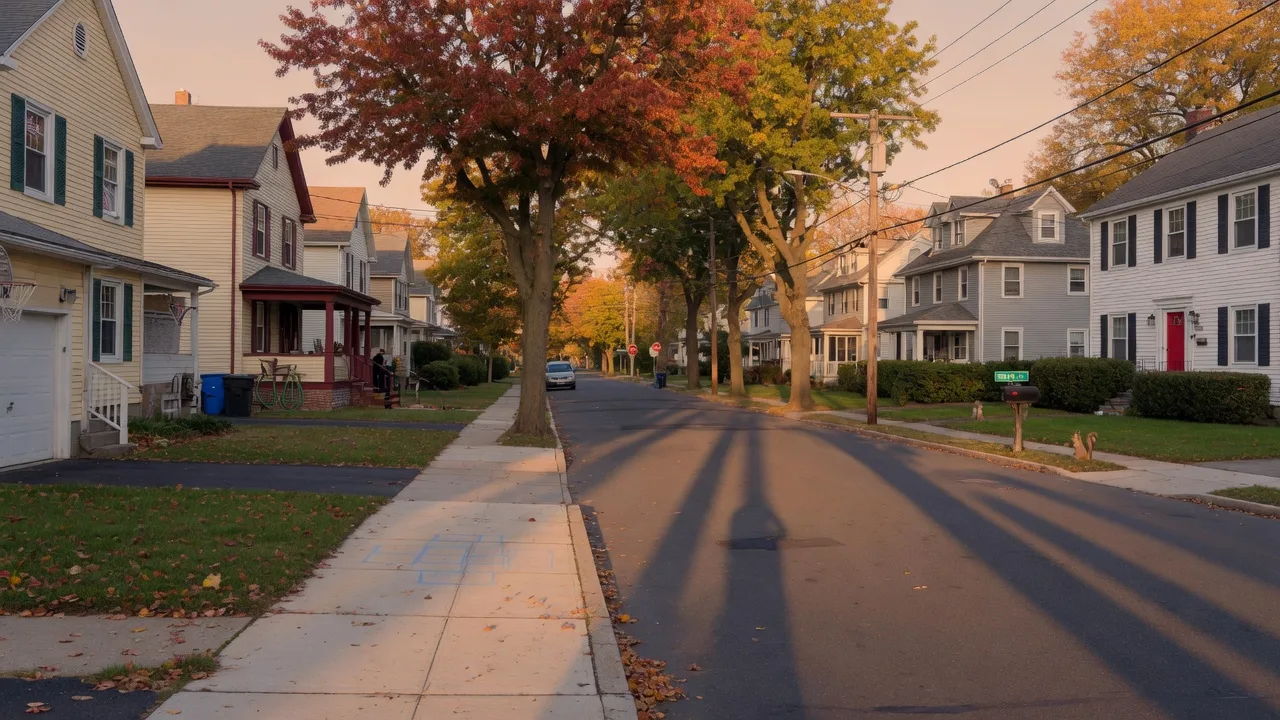
Selling a home you inherited is one of the most common, and most emotionally complex, real estate transactions in North Jersey. Whether the property is in Passaic, Clifton, Paterson, or Bergen County, families are often navigating grief, legal paperwork, and financial decisions all at the same time. After over 15 years helping families in Passaic and Bergen Counties sell inherited properties, I have seen the same avoidable mistakes cost families months of delay and thousands of dollars. Here are the five most common mistakes to watch out for, and how to avoid them.
Mistake 1: Skipping probate court approval.
In New Jersey, you generally cannot sell a property that belonged to a deceased person until the probate process has begun and the executor has been formally appointed by the Surrogate's Court. This is not optional, and it is not a suggestion. Until the court issues Letters Testamentary (or Letters of Administration if there is no will), the executor does not have the legal authority to sign a listing agreement, accept an offer, or close a sale. Attempting to sell before this step is complete can result in a legally invalid transaction, delays, and potential liability for the executor.
Some families assume they can list the property right away because they know who the heirs are or because the will is clear. But in New Jersey, the court must formally validate the will and appoint the executor before any real estate transaction can proceed. The only exception is for very small estates valued under $50,000 (or $25,000 when the surviving spouse is the sole heir), which may qualify for a simplified affidavit process. For most residential properties in Passaic and Bergen Counties, the standard probate process applies.
In Passaic County, probate filings are handled through the Passaic County Surrogate's Court at 632 Hamilton Avenue in Paterson. Executor appointment typically takes two to eight weeks, depending on the court's workload and the completeness of the paperwork. Planning for this timeline from the start prevents frustration and keeps the sale on track.
Mistake 2: Pricing based on emotional attachment rather than market value.
This is one of the most common, and most costly, mistakes I see with inherited properties. A family remembers the home the way it was when their parents lived there: the holidays, the gatherings, the way it looked twenty years ago. Those memories are real and important, but they do not determine what a buyer in today's market will pay.
The North Jersey real estate market is driven by data. In Passaic County, median home prices, comparable sales, property condition, square footage, lot size, and neighborhood desirability all factor into what a property is worth today. Pricing a home based on what it "should" be worth, or what a similar home sold for five years ago, leads to overpricing. Overpriced listings sit on the market, lose buyer interest, and often end up selling for less than they would have if priced correctly from the start.
A professional Comparative Market Analysis (CMA) from an agent who knows your specific neighborhood is the most reliable way to set a realistic price. In areas like Clifton's Montclair Heights, where median home values reach $690,000, accurate pricing is especially important because the buyer pool is smaller and more discerning. In more active markets like Richfield or Athenia, competitively priced homes often receive multiple offers within the first two to three weeks. Pricing right from day one is the single most impactful decision you will make in the sale.
Mistake 3: Not getting a professional probate property assessment.
Many families rely on online estimates, tax assessments, or a quick drive-by impression to gauge the value of an inherited property. These methods can be misleading, especially for homes that have been in the family for decades and may not have been updated in years. Tax assessments in New Jersey are not designed to reflect current market value, they are based on historical data and formulaic calculations that often lag behind the real market by years.
A professional property assessment goes beyond comparable sales. It evaluates the home's actual condition: the state of the roof, electrical system, plumbing, foundation, HVAC, and any code violations that may exist. For inherited properties, this is critical because the home may have deferred maintenance issues that are not visible from the outside but will come up during a buyer's inspection. Understanding these issues before listing allows you to set an accurate price, decide whether to make repairs, or sell as-is with full knowledge of the property's condition.
In Passaic and Bergen Counties, where housing stock ranges from early 1900s row homes to mid-century ranches and multi-family buildings, the range of potential issues is wide. A home in Totowa built in the 1950s may have original knob-and-tube wiring. A two-family building in Garfield may have outdated plumbing behind the walls. Getting a professional assessment before listing helps you price accurately, negotiate from a position of knowledge, and avoid surprises that can derail a sale.
Mistake 4: Ignoring needed repairs and cleaning before listing.
I understand that inherited homes are often sold in less-than-perfect condition. Families are dealing with loss, and the idea of spending money and time on a property they are about to sell can feel overwhelming. But there is a meaningful difference between a home that has been lived in and a home that has been neglected to the point where buyers cannot see past the clutter and damage.
You do not need to renovate the entire house. But basic preparation, cleaning the property thoroughly, removing personal belongings and debris, cutting overgrown landscaping, ensuring the utilities are on for showings, and making small repairs like fixing broken light switches, patching holes in walls, and replacing burned-out bulbs, can dramatically change how buyers perceive the home and the offers that come in. First impressions matter, and a clean, well-lit property photographs better, shows better, and generates more interest.
For multi-family properties, which are common in Passaic, Clifton, and Garfield, the stakes are even higher. Investors who buy multi-family buildings are experienced buyers who compare properties quickly. A building that looks well-maintained from the outside and is clean and accessible for showings will attract more competitive offers than one that looks abandoned, even if the underlying value is similar.
Some families choose a middle path: investing in professional cleaning, minor cosmetic touch-ups, and basic yard work without undertaking any major renovations. This minimal investment, often under $1,000 to $2,000, can make a measurable difference in sale price and time on market.
Mistake 5: Choosing an agent without probate experience.
Not every real estate agent understands the probate process. A standard listing agent may not know how to coordinate with the Surrogate's Court, handle inheritance tax waivers, or navigate the dynamics of working with multiple heirs and estate attorneys. These knowledge gaps can cost families weeks or months of delay and can result in pricing errors, missed legal requirements, or a transaction that falls apart.
Probate sales have their own rules and rhythm. The executor may not have legal authority to sign a listing agreement until Letters Testamentary are issued. The New Jersey inheritance tax waiver must be obtained before closing. In some cases, court approval of the sale is required. An agent who does not understand these requirements may list the property too early, price it incorrectly for the probate context, or fail to coordinate properly with the estate attorney, all of which create unnecessary friction in an already stressful process.
When choosing an agent for an inherited property sale, look for someone with specific probate credentials and local market knowledge. Here is what to ask:
Why these mistakes matter in Passaic and Bergen County.
Passaic and Bergen Counties are among the most active real estate markets in North Jersey. Median home prices in Passaic County range from $450,000 to over $600,000 depending on the municipality, and Bergen County median prices are even higher. For families selling an inherited property, the financial stakes are significant. A pricing error of even 5% on a $550,000 home means leaving $27,500 on the table. A delay of three months because of a missed probate step can mean carrying costs of $5,000 to $10,000 or more in taxes, insurance, and utilities.
The market in this part of New Jersey is competitive and moves quickly. Well-priced, well-presented homes in desirable neighborhoods often receive multiple offers within the first two weeks. But overpriced, poorly prepared homes can sit for months, losing value with every passing week. The difference between a smooth sale and a prolonged, costly one often comes down to avoiding the five mistakes outlined above.
Take the next step.
If you are dealing with an inherited property in Passaic or Bergen County, you do not have to figure it out alone. A free, no-pressure consultation with a probate-certified specialist can give you clarity on your options, a realistic pricing strategy, and a plan that respects your family's timeline and needs.
Johnny Rodriguez is North Jersey's First AI-Certified Realtor with Realty One Group Legend in Clifton, NJ. He holds the ABR (Accredited Buyer's Representative), SFR (Short Sales and Foreclosure Resource), and Probate Certified Specialist designations, and has been helping families throughout Passaic, Bergen, Essex, and Hudson Counties for over 15 years.
You can reach him directly by calling (973) 390-7319, emailing jrodriguez@roglegend.com, or booking a free consultation at calendly.com/realestatenj/consulting-w-johnny.
Ready to sell your inherited property the right way?
Get a free, no-obligation consultation with Johnny Rodriguez, a probate-certified specialist serving Passaic and Bergen Counties. He will walk you through your options and help you avoid the common mistakes that cost families time and money.
Related Reading